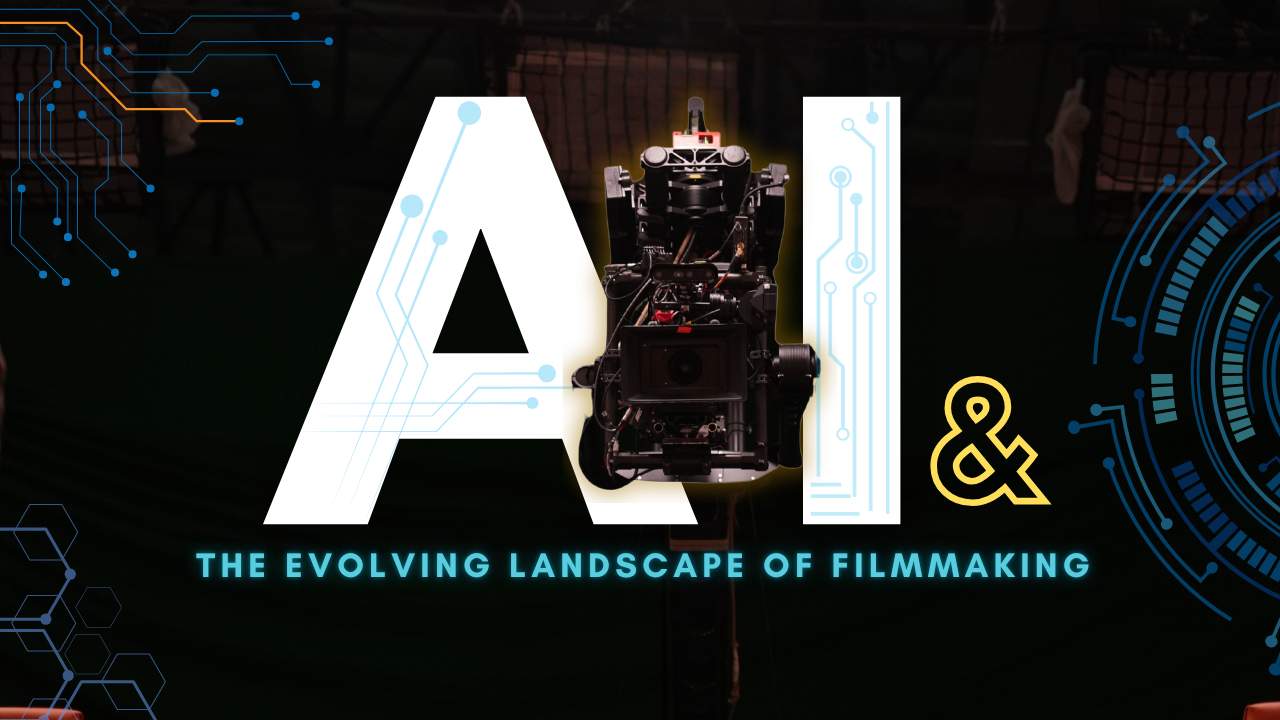
Artificial Intelligence & the evolving landscape of Filmmaking
“The Reset Button Has Been Pressed”
“The Reality Behind the Revolution”
Here’s what the budget spreadsheets won’t tell you: while the client saved significantly on international shooting costs, the man hours we invested in post production were staggering. Every shadow had to be adjusted. Every light source needed to feel motivated. The depth of field required constant fine tuning to match the actor’s performance. What we saved in logistical complexity, we spent in meticulous digital craftsmanship. As a filmmaker, I found myself in uncharted territory. My instincts, honed over decades of understanding natural light, real locations, and physical space, had to be recalibrated for a world that existed only in pixels and algorithms. The actor couldn’t react to what wasn’t there. I couldn’t walk the space before calling action. The usual choreography between director, cinematographer, and environment had fundamentally changed. It was exhausting but absolutely fascinating.
“The Craft Isn’t Disappearing. It’s Evolving.”
There’s a conversation happening in our industry right now, often in hushed tones over coffee or late night WhatsApp groups. Will AI replace us? Is the art of filmmaking being reduced to prompt engineering? Are we training our own replacements?
I understand the anxiety. But here’s what I’ve learned: AI is a tool, not a replacement. Like the
Steadicam revolutionised camera movement, like digital editing transformed post production, like CGI expanded our visual vocabulary, AI is the latest evolution in our creative arsenal.
Someone still needs to know what story we’re telling. Someone must understand pacing, emotion, and the invisible threads that connect an audience to a character. Someone has to look at that AI generated sunset and know whether it serves the narrative or distracts from it. That someone is still us. The directors, the storytellers, the guardians of the craft.
“Adapt or Become Irrelevant”
“Embracing the Paradox”
In the landscape of AI assisted filmmaking, we’re all beginners, and I embrace that. To stay curious. To remain humble. To understand that experience is valuable not because it gives us all the answers, but because it teaches us what questions to ask.
The future of filmmaking isn’t about choosing between traditional methods and artificial
intelligence. It’s about finding the synthesis, integrating new tools and allowing technology to
expand our vision while keeping human creativity at the center.
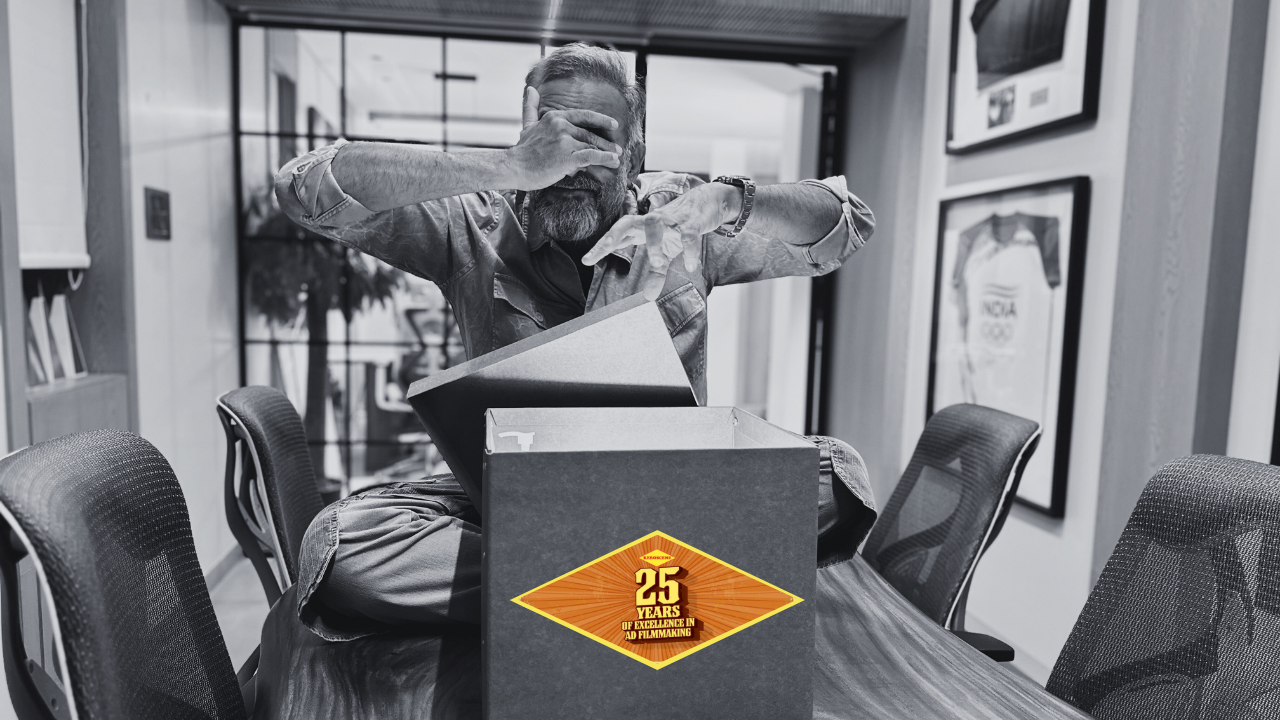
I don’t know exactly what filmmaking will look like in another 25 years. But I do know this: I want to be part of shaping it, learning it, and yes, occasionally struggling with it. Because that’s what storytellers do. We adapt. We evolve.
The director’s chair remains. The call for “action” still echoes. The story still needs to be told.
Everything else? That’s just a matter of learning which buttons to press.
And at 25 years young in the AI era, I’m ready to learn.
Raajesh D Saathi is a director and the founder of Keroscene Filmz, with more than 25 years of
experience in advertising and filmmaking.
Related Articles
25 Years of Crafting Unique Cinematic Language for Brands
In a world of fleeting reels and scrolling attention spans, a thirty-second story that can make you
Behind the Scenes of Iconic Indian Ad Films
Some of the real stories of filmmaking live in the space between 'action' and 'cut.' Sometimes it's beautiful,
Jesse Cox
Aliquam lorem ante, dapibus in, viverra quis, feugiat a, tellus. Phasellus viverra nulla ut metus varius laoreet. Quisque rutrum. Aenean imperdiet venenatis.
Amber Webb
Maecenas nec odio et ante tincidunt tempus.